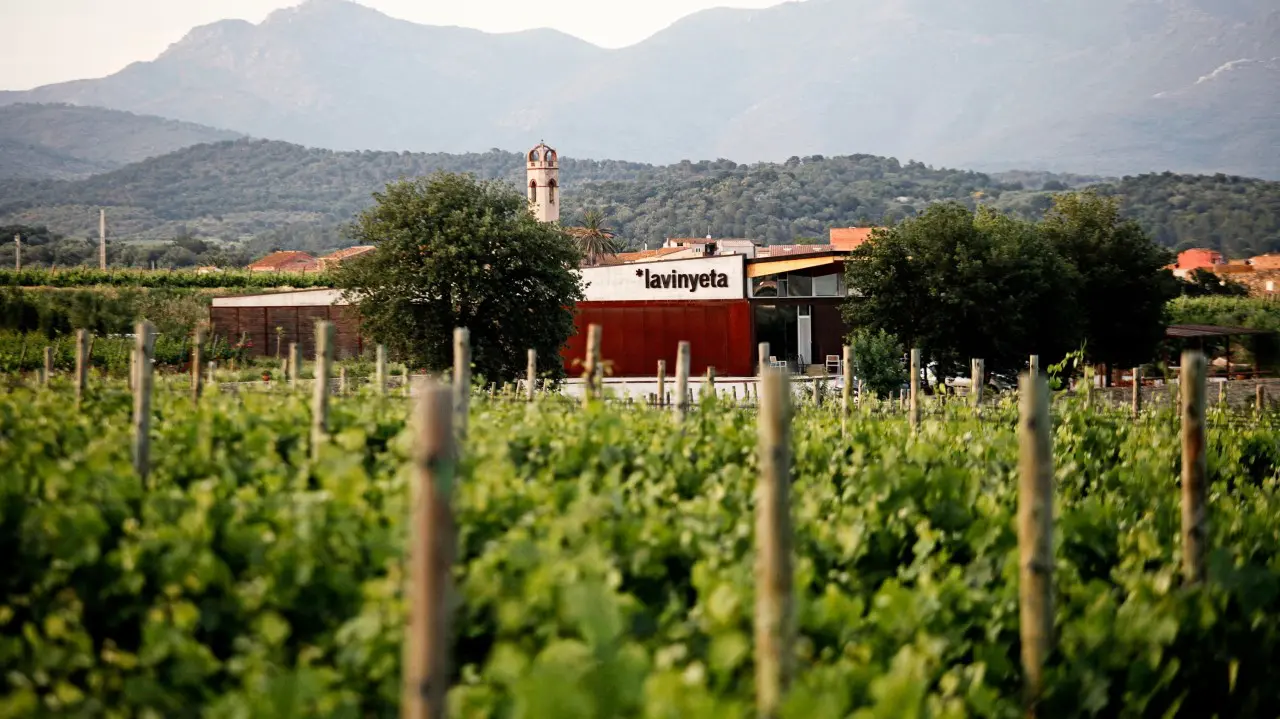
We continue our “Conversations with Impact” series, dedicated to companies and professionals helping to build a more responsible tourism model on the Costa Brava and in the Girona Pyrenees. This time, we speak to Josep Serra, one of the key figures behind La Vinyeta, a DO Empordà winery in Mollet de Peralada that has made sustainability, the circular economy and local partnerships the foundations of its project.
More than a winery
“At La Vinyeta, we make our living from the land and are very aware of the impact we have on the local area,” says Serra. This deep connection with the surroundings also shapes the winery’s approach to wine tourism: an activity that should create value for visitors, as well as for the local community and the landscape that makes it possible.
Sustainable tourism is therefore a natural extension of the project’s agricultural work. “It only makes sense if it makes a positive contribution to keeping the local area alive, creating opportunities for local businesses and protecting the resources that sustain both our landscape and our activity,” he explains.
The vineyard as a living ecosystem
This philosophy is embodied in a model that combines agriculture, livestock farming and biodiversity conservation. The winery preserves native grape varieties and supports the recovery of threatened species such as the lesser kestrel. In partnership with Paisatges Vius, an organisation dedicated to nature conservation, La Vinyeta has built a nesting tower for the species on the estate.
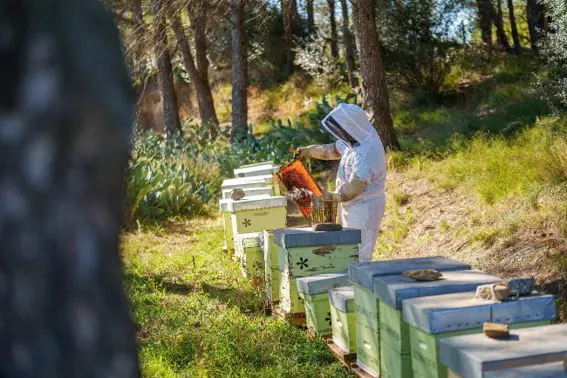
Animals are also part of this balance. Chickens feed on by-products from the winemaking process and provide fertiliser; sheep keep the grass under control and fertilise the vineyards; and bees encourage pollination and biodiversity. In this way, something that might otherwise become waste is transformed into a resource within a system designed to close the loop.
This approach also encompasses regenerative farming practices, on-site energy generation and responsible water management, developed in partnership with universities and research centres such as the Catalan Institute for Water Research (ICRA).
A social commitment too
La Vinyeta works with local producers, businesses and organisations to ensure that its tourism activity benefits the wider area. One of these partnerships is with Fundació TRESC, with which the winery works to promote the social and employment inclusion of people experiencing mental health issues.
Training is another cornerstone of the project. One example is a vineyard planted in Llançà in partnership with the local council and secondary school, where students enrolled on an intermediate vocational training programme in Olive Oils and Wines can gain practical experience in the field. The winery also welcomes students from a wide range of places, who work across different areas of the project, contribute their knowledge and help share this way of working.
Consistency as a business value
For Serra, the most significant impact does not come from any single initiative, but from viewing sustainability as a philosophy that cuts across the entire business. “Over the years, we have created our own model, in which regenerative practices, the circular economy and a collaborative spirit shape every area of the business.”
This consistency has helped La Vinyeta build a strong identity, inspire trust and connect with people seeking authentic experiences. The challenge lies in striking the right balance between financial viability and environmental and social responsibility. Many decisions require greater investment or dedication, but the winery takes a long-term view. “Ultimately, consistency creates value for both the project and our customers,” Serra says.
Wine tourism as a means of raising awareness
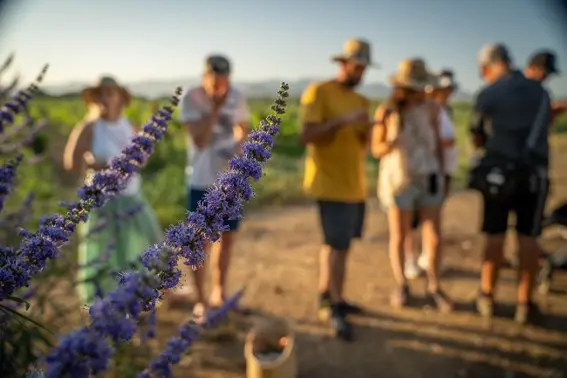
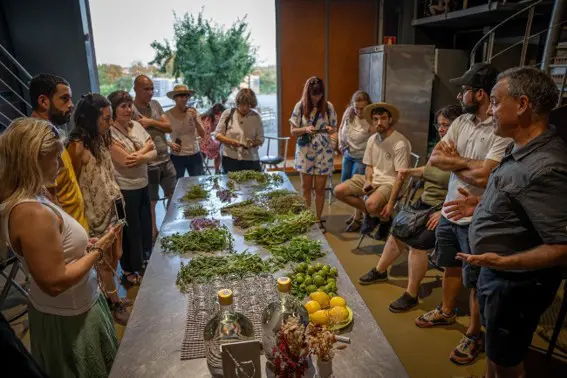
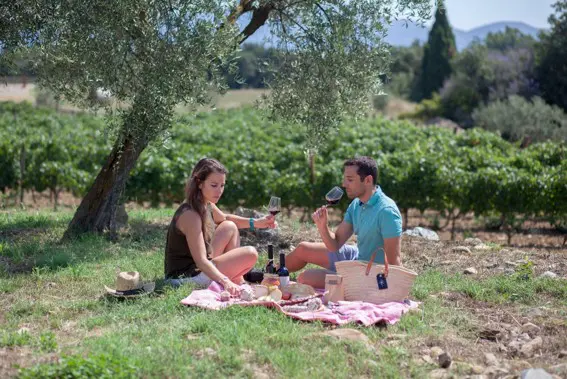
Visits allow the winery to share this model with its guests. Experiences such as Picnic between Vineyards in La Vinyeta, wich combines a tour, wine tasting and local food in a natural setting, help visitors understand the origins of what they consume and how it is connected to the land and the people who work it.
Looking to the future, Serra advocates a model of tourism that prioritises quality over quantity. Within this model, the Costa Brava Girona Tourist Board can act as a connector: building partnerships, raising the profile of good practices and helping to measure the impact of tourism beyond visitor numbers.
As La Vinyeta shows, a commitment to sustainability involves more than reducing impact. It also means regenerating the environment, sharing knowledge and helping to keep the local area alive.